Termites rarely leave obvious clues in the early stages of an infestation. Unlike ants in the kitchen or mosquitoes in the yard, termites operate out of sight. By the time visible damage appears, structural weakening may already be underway. From an expert perspective, the real challenge is not treating termites. It is identifying them before the damage becomes extensive.
In regions like El Paso, where environmental conditions can shift between dry heat and seasonal moisture, termite activity often adapts quietly. Termite control depends heavily on early detection, but most homeowners are unaware of how subtle the warning signs can be.
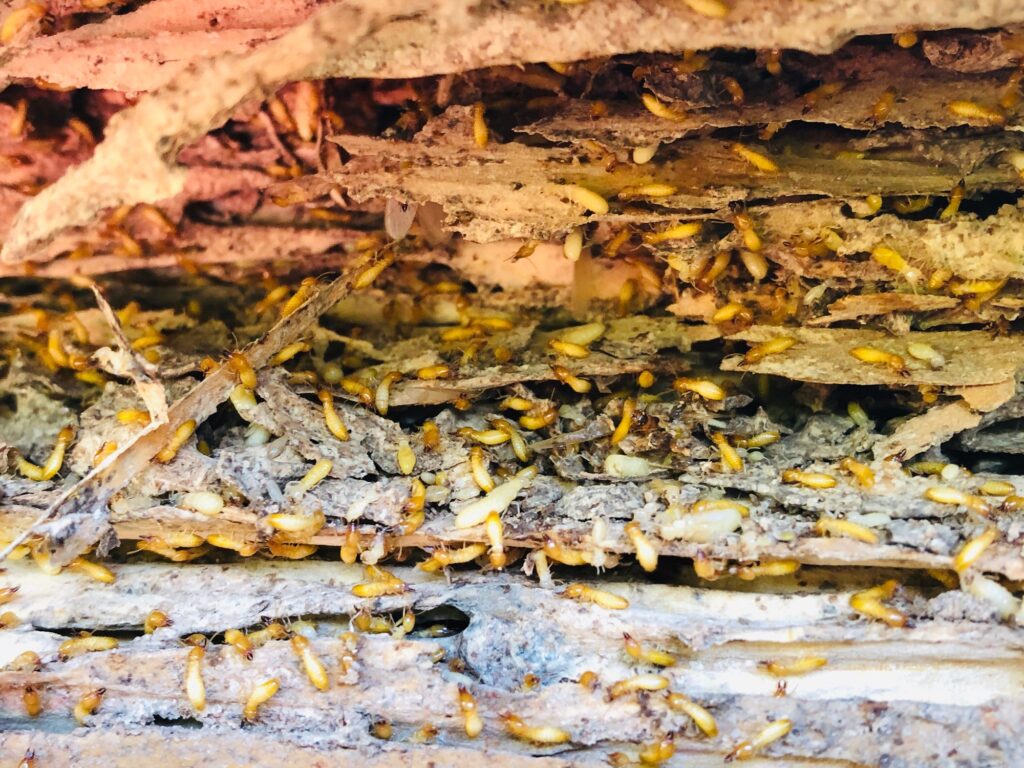
Termites work from the inside out
One of the primary reasons termite damage is difficult to detect is their feeding pattern. Subterranean termites, the most common structural species, consume wood from the inside. Exterior surfaces may appear intact while the internal structure becomes hollow.
Signs are often delayed because:
- Termites leave a thin outer layer of wood untouched
- Damage progresses behind drywall and insulation
- Support beams weaken before cosmetic changes appear
- Surface paint or finish hides underlying deterioration
When homeowners tap on wood and hear a hollow sound, significant feeding may have already occurred. This hidden pattern is why termite control requires inspection methods that go beyond visible surfaces.
Early warning signs are easy to dismiss
Even when termites leave clues, those signs are subtle. Swarmers may appear briefly and disappear. Mud tubes may blend into foundation lines. Small cracks in drywall may look like settling.
Common early indicators include:
- Discarded wings near windows or door frames
- Pencil-thin mud tubes along foundations
- Soft or blistering wood with no obvious water damage
- Tight-fitting doors and windows caused by warped frames
These signs often seem minor. Without professional evaluation, they are easy to overlook or misinterpret. Many homeowners attribute changes to age, humidity, or shifting foundations rather than active infestation.
Understanding the scope of proper structural evaluation becomes clearer when reviewing what comprehensive termite control services typically address, especially when activity is hidden behind walls or beneath slabs.
Termites hide in areas rarely inspected
Termites prefer environments that provide moisture and limited disturbance. Crawl spaces, foundation voids, wall cavities, and attic beams are ideal nesting and feeding zones. Because these areas are not part of the daily living space, damage can progress unnoticed for extended periods.
High-risk zones include:
- Soil-to-wood contact near foundations
- Plumbing penetrations that introduce moisture
- Expansion joints in concrete slabs
- Attic framing near roofline gaps
Regular visual checks of living areas will not reveal activity in these concealed locations. Professional inspections focus on these overlooked areas because they are where termite colonies gain long-term access.
Structural damage develops gradually
Termite damage does not usually appear overnight. It accumulates slowly as colonies expand and continue feeding without interruption. This gradual progression is one of the main reasons infestations are underestimated. Homeowners may notice small irregularities but rarely connect them to active termites because the changes seem minor at first.
Gradual structural changes may include:
- Slight sagging in floors that feels uneven underfoot
- Doors and windows that begin sticking without seasonal humidity shifts
- Trim or molding separating subtly from walls
- Hairline drywall cracks that slowly widen over time
- Small pinholes in drywall near baseboards
- Bubbling or blistering paint that resembles moisture damage
- Hollow-sounding wood when tapped
- Baseboards that feel soft or crumbly under light pressure
- Cabinets or built-ins that no longer sit flush against walls
- Floorboards that creak more than usual in isolated areas
Because these signs develop incrementally, they are often dismissed as normal settling, aging materials, or minor construction flaws. The slow pace works in the termites’ favor. Colonies can continue feeding within beams, studs, and subflooring while the visible surface remains mostly intact.
The financial impact also grows gradually. Early-stage damage may require limited repair, but prolonged infestation can lead to extensive reconstruction. Because termite activity remains concealed for much of its lifecycle, professional termite control becomes critical in identifying these slow-developing patterns before they escalate into significant structural concerns.
Why professional evaluation makes a difference
Detecting termites requires experience, tools, and an understanding of how environmental factors influence colony behavior. Professionals evaluate not only visible signs but also moisture conditions, structural vulnerabilities, and entry pathways.
A thorough approach includes:
- Inspecting foundations, crawl spaces, and attic framing
- Identifying moisture contributors that attract termites
- Assessing soil contact and structural gaps
- Monitoring seasonal patterns that influence swarming
This process is methodical. It looks for patterns rather than isolated signs. Because termites remain concealed for much of their lifecycle, surface-level assessments rarely provide a complete picture.
Learning more about the background and experience behind a local provider helps clarify how regional knowledge supports effective detection and long-term prevention. The perspective shared on our company page reflects how local conditions shape termite strategies in El Paso.
Protect what you cannot see
Termite damage is often silent, gradual, and hidden from view. The sooner structural risks are identified, the easier they are to manage. If there is any suspicion of activity or if a home has not been evaluated recently, contact El Valle Pest Control for professional termite control and peace of mind.