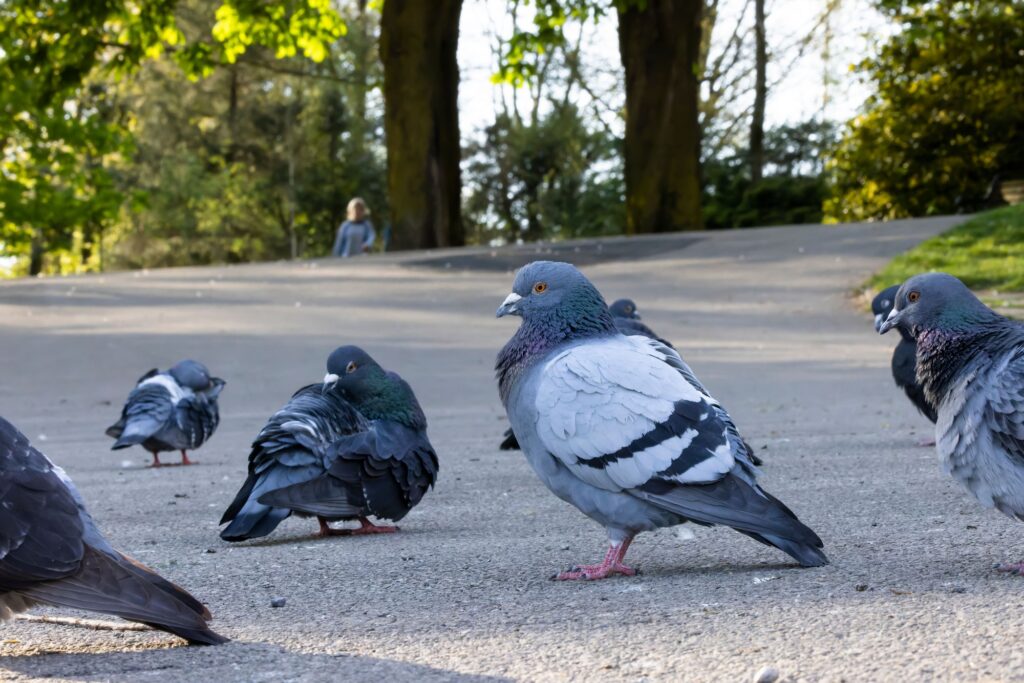
Pigeons are a familiar sight across El Paso, especially around commercial buildings, rooftops, and public structures. While they may seem harmless at a distance, their presence can quickly lead to serious maintenance and health concerns. Once pigeons settle in a location, they tend to return repeatedly, making control more difficult over time.
Pigeon control is not simply about removing birds from a single spot. It involves addressing why they are attracted to the building, how they access it, and what conditions allow them to stay. In a climate like El Paso, where warm conditions support year-round activity, these factors play an even larger role.
Why Pigeons Are Attracted to El Paso Buildings
Buildings provide ideal conditions for pigeons to rest, nest, and avoid predators. Structural features often create protected spaces that mimic natural cliff environments, which pigeons prefer.
- Flat Surfaces offer comfortable resting areas
- Ledges And Overhangs provide shelter from weather
- Accessible Food Sources attract repeated visits
- Warm Climate supports continuous activity
In urban areas, food availability and consistent shelter make buildings highly attractive. Once pigeons establish nesting sites, they are likely to return to the same location repeatedly.
Environmental conditions also influence their behavior. Seasonal changes, including moisture and rainfall, can affect where birds gather and how pests behave overall. These broader patterns are explained in these spring pest activity effects, which highlight how environmental shifts impact pest presence.
The Structural Damage Caused by Pigeons
Pigeon activity can lead to gradual but significant damage to buildings. Their droppings are highly acidic and can break down materials over time, especially when left untreated.
- Corrosion On surfaces such as metal, stone, and roofing materials
- Blocked Drains caused by nesting materials and debris
- Roof Damage from constant accumulation of waste
- Surface Staining that affects the appearance of the property
Over time, these issues can lead to costly repairs. What begins as minor buildup can develop into more serious structural concerns if not addressed promptly.
Pigeons also tend to nest in hidden areas, which can make cleanup more difficult. Accumulated debris and droppings can remain unnoticed until damage becomes more severe.
Health and Safety Risks Associated With Pigeons
Beyond structural damage, pigeons create health and safety concerns that affect both occupants and visitors. Their droppings and nesting materials can contribute to unsanitary conditions, especially in high-traffic areas.
- Airborne Particles from dried droppings may affect air quality
- Slippery Surfaces increase the risk of accidents
- Parasites such as mites can spread from nesting areas
- Contamination risks in areas where food or water is present
These risks are particularly important for commercial properties, where cleanliness and safety are closely monitored. Maintaining a controlled environment helps reduce liability and protect public health.
Because pigeons tend to gather in groups, these issues can escalate quickly. A small presence can turn into a larger problem if conditions remain favorable.
Effective Pigeon Control Strategies for Buildings
Managing pigeon activity requires a combination of deterrence, exclusion, and ongoing maintenance. A single solution rarely addresses the entire problem.
- Physical Barriers such as netting or spikes prevent landing and nesting
- Access Control limits entry to common nesting areas
- Habitat Modification reduces the factors that attract pigeons
- Routine Maintenance keeps surfaces clean and less inviting
These strategies focus on long-term results rather than temporary fixes. By making the environment less suitable for pigeons, activity can be reduced more effectively.
Targeted solutions are often necessary depending on the structure and level of activity. Understanding how these approaches work together is important, which is why exploring building bird control options can provide additional clarity on available methods.
Why Professional Pigeon Control Delivers Better Results
Pigeon infestations can be more complex than they appear. Birds are highly adaptable and often return to the same locations if underlying conditions are not addressed. Without a comprehensive plan, control efforts may only provide short-term relief.
Professional pigeon control focuses on identifying all contributing factors, including access points, nesting areas, and environmental conditions. This allows for a more targeted approach that reduces the likelihood of recurrence.
In addition, proper installation of deterrents is critical. Incorrect placement or incomplete coverage can allow pigeons to bypass barriers and continue nesting. A structured plan ensures that all vulnerable areas are addressed.
Ongoing monitoring also plays a role in maintaining results. Conditions around the building can change over time, and adjustments may be needed to keep pigeon activity under control.
Keep your property protected from above
Pigeon problems on El Paso buildings can lead to structural damage, health concerns, and ongoing maintenance challenges. Addressing the issue early and using a complete approach helps reduce long-term impact and maintain a cleaner environment.For property owners looking for reliable pigeon control, professional support offers a more effective path forward. Contact El Valle Pest Control to protect your building.